

 By ATN Editorial Team
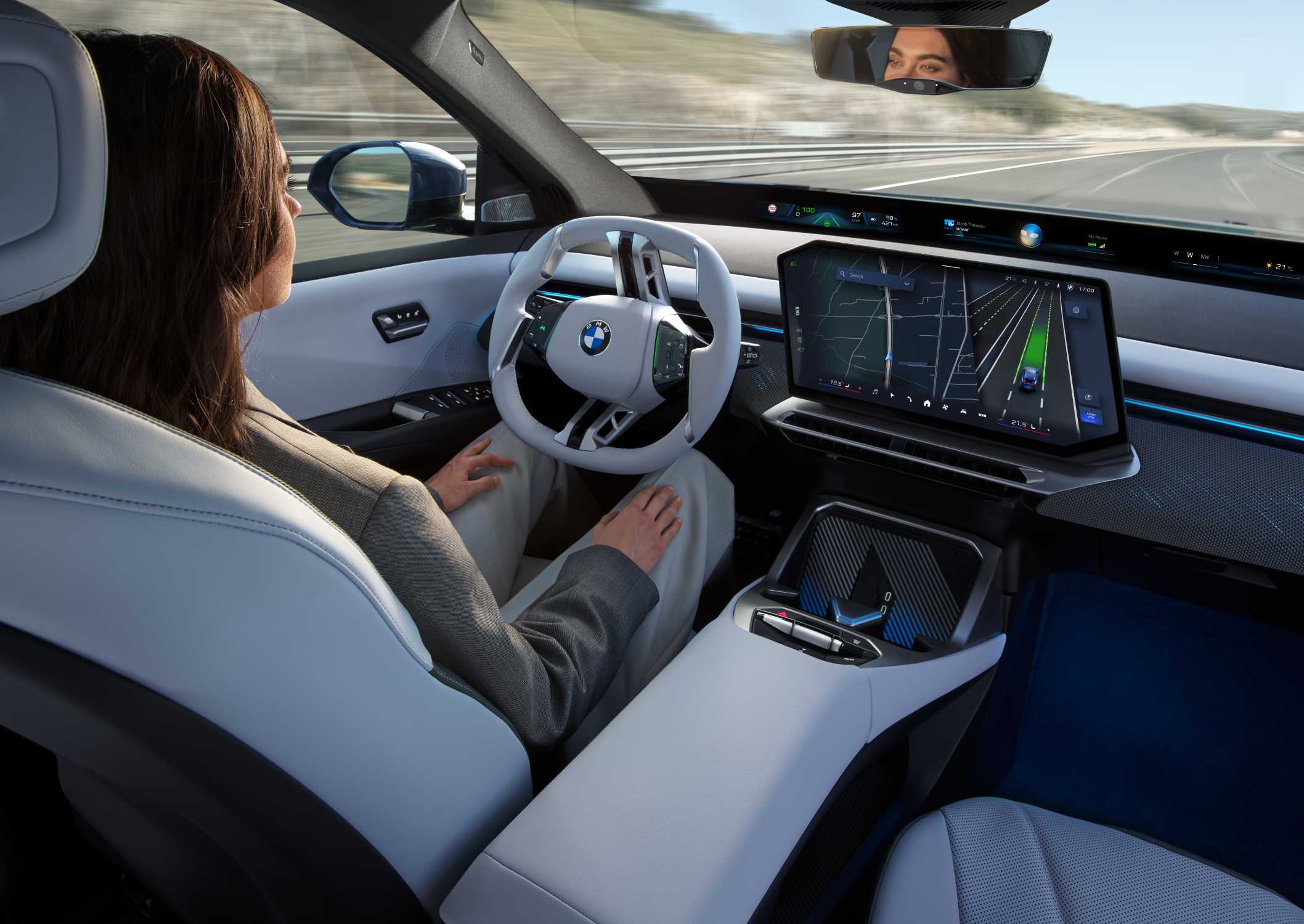
Summary: BMW image data collection covers all EU member states, drawing event-triggered camera and sensor data from customer vehicles built on the new model generation. The programme covers the new BMW iX3 and i3, the X5 and the 7 Series, runs only where the customer has consented, and starts transmitting unaltered video from mid-September.
Key engineering takeaway: Capture is event-based rather than continuous. The triggers named by BMW are a collision prevented by an assistance system during a motorway lane change, activation of the emergency braking assistant, heavy manual braking and a sudden evasive manoeuvre, and each clip is limited to a maximum of 120 seconds. BMW image data collection takes exterior camera images together with environmental sensor data and driving dynamics including speed, direction of travel and steering angle. The vehicle identification number is deleted immediately after transmission to the BMW IT backend.
Why it matters: BMW says image data from real-world traffic situations in customer vehicles can add significant value to the continuous improvement of driver assistance systems, alongside virtual testing and physical validation with its development fleet. BMW says collection depends on customer consent and complies with all data protection regulations, with faces and number plates obscured as far as technically possible before authorised employees view a recording, and that the collected data can support future over-the-air system improvements.
- Use of event-based image and vehicle sensor data for the continuous development of driver assistance systems and partially-automated driving functions
- Data collection from the fleet of the new BMW iX3 and successor models, subject to customer consent and in compliance with all data protection regulations in all EU member states
- Privacy-by-Design measures implemented
- No identification of individual road users
With the BMW Group’s new generation of driver-assistance and active safety systems, the new BMW iX3 offers a high level of comfort and added safety for its drivers. These systems also protect pedestrians, cyclists, and other road users.
In addition to extensive virtual testing using simulations and physical validation with the fleet of BMW development vehicles, image data from real-world traffic situations from customer vehicles can provide significant added value for the continuous improvement and further development of driver-assistance systems. Since April 2026, the BMW Group can collect such image data in EU member states from vehicles of the new model generation, which are equipped with the necessary sensor technology and data processing architecture for situational capture of environmental video data. These include the new BMW iX3 and i3, X5, and 7 Series, as well as subsequent new models and model updates. The use of this image data is contingent upon customers’ consent and is carried out in compliance with all data protection regulations. Thanks to BMW software updates, customers and road users will benefit from over-the-air system improvements that can be implemented in the future using the image data collected from real-world traffic situations.
Compliance with applicable data protection regulations is a top priority throughout the entire data collection and use process. The BMW Group provides information on this topic on a new website featuring the relevant privacy notices.
BMW Image Data Collection Is Triggered By Safety Events
Data collection for the further development of driver assistance functions focuses exclusively on specific traffic situations in which these systems can be particularly beneficial. These include, for example, collisions prevented by assistance systems during lane changes on the highway, the activation of the emergency braking assistant, heavy manual braking, or a sudden evasive maneuver by the driver. Only sensor and image data that is relevant to understanding the situation and further optimizing driver assistance systems is specifically collected. This includes images of the vehicle’s surroundings captured by the exterior cameras, data from the environmental sensors, and driving dynamics information such as speed, direction of travel, or steering angle.
How BMW De-Identifies The Collected Image Data
For this purpose, event-based video data may be collected from the vehicles (limited to a maximum of 120 seconds per event) in unaltered form starting mid-September. The BMW Group has implemented “privacy-by-design” measures for data processing. Before the data is used, the vehicle identification number is deleted immediately after transmission to the BMW IT backend, so that it is no longer possible to link the data to a specific vehicle. Under no circumstances do BMW systems identify individual road users. Unaltered image data is used to further develop driver assistance systems and semi-automated driving functions through machine learning.
If authorized BMW employees need to access individual recordings for development purposes, faces or license plates of other road users contained in the image data are obscured prior to playback to the extent technically possible. The handling of data collected for this purpose is carried out in compliance with all applicable data protection requirements.
BMW Image Data Collection: Frequently Asked Questions
What is BMW image data collection?
BMW image data collection is a consented programme under which the BMW Group gathers short clips of exterior camera footage, environmental sensor data and driving dynamics from customer vehicles, and uses them to develop driver assistance and partially automated driving functions. It has been possible in EU member states since April 2026, and unaltered video transmission begins in mid-September.
Which BMW models are included?
Vehicles of the new model generation that carry the required sensor technology and data processing architecture. BMW names the new iX3 and i3, the X5 and the 7 Series, plus subsequent new models and model updates.
What triggers a recording?
Specific safety-relevant events rather than continuous filming. BMW gives four examples: a collision prevented by an assistance system during a lane change on the motorway, activation of the emergency braking assistant, heavy manual braking, and a sudden evasive manoeuvre by the driver.
How long is each recording and what does it contain?
Each event is limited to a maximum of 120 seconds. The clip carries images of the vehicle’s surroundings from the exterior cameras, data from the environmental sensors, and driving dynamics information such as speed, direction of travel and steering angle.
Can BMW identify the driver or other road users?
BMW states that the vehicle identification number is deleted immediately after transmission to its IT backend, so the data can no longer be linked to a specific vehicle, and that its systems do not identify individual road users under any circumstances. Where an authorised employee needs to view a recording for development purposes, faces and number plates are obscured beforehand as far as is technically possible.
For more ADAS news, click here.
