

 By ATN Editorial Team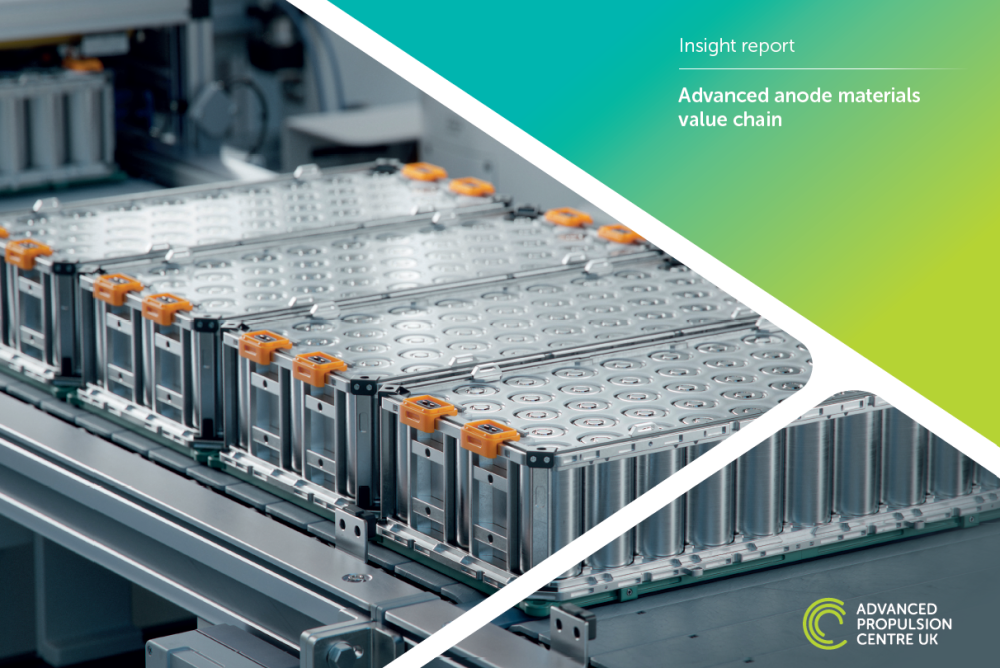
Summary: The Advanced Propulsion Centre UK (APC) has highlighted the need for innovation in advanced anode materials to accelerate electric vehicle adoption and support climate goals. Its new report identifies opportunities for the UK to lead in developing and scaling up silicon, lithium metal, lithium titanate (LTO), and niobium anodes. The APC recommends focusing on localising silane production, advancing silicon material R&D, supporting lithium foil manufacturing, and establishing scale-up facilities for LTO and niobium. These efforts could enhance battery performance, reduce costs, and strengthen the UK’s EV supply chain.
Auto Tech View
-
Key engineering takeaway: Advances in anode materials such as silicon and lithium metal can significantly increase energy density, improve charging rates, and reduce battery size, complementing progress made in cathode technologies.
-
Why it matters: Overcoming the technical and manufacturing challenges of next-generation anodes is crucial for developing higher-performance, more affordable EV batteries — and for positioning the UK as a competitive player in the global battery value chain.
To accelerate the adoption of electric vehicles and meet climate goals, the UK must reduce barriers to electric vehicle (EV) adoption, says the Advanced Propulsion Centre UK (APC). There are now opportunities to reduce the barriers through innovation in making advanced anodes.
According to the latest APC report – Advanced anode materials value chain – recent progress in lithium-ion batteries, especially in cathode materials, has helped improve range, affordability, and charging speed. Now, similar advancements are emerging with anode materials. The report discusses four alternative anode materials and their value chains: silicon, lithium metal, lithium titanate (LTO), and niobium.
The report recommends that the UK focus on the following actions:
- Localise Silane production in Europe for enabling higher silicon content anodes
- R&D for silicon material advancements to neutralise volumetric expansion challenges
- Fund R&D in developing high-quality lithium foil manufacturing
- Establish scale-up facilities for lithium titanate (LTO) and niobium-based materials
Dr Hadi Moztarzadeh, Head of Technology Trends at APC, said:
“Improving anode performance by increasing energy storage capacity, reducing size, and enabling faster charging is key to the future of EV battery technology. Anode materials can improve the limitations of the battery cell energy density, reliability, and overall performance.
Current industry standard battery cell anodes are starting to limit the progress towards more efficient high-energy battery cells. There is significant scope to improve overall cell performance through the use of advanced materials. However, there are technical and manufacturing challenges in scaling up some of the discussed materials, which provide a great opportunity for R&D innovation and investment in the UK supply chain.”
APC released the value chains for producing industry-standard automotive battery cells, such as NMC and LFP, in its 2023 Automotive Battery Value Chain report.
Read the Advanced anode materials value chain report here.

For more battery technology news, click here.
