

 By ATN Editorial Team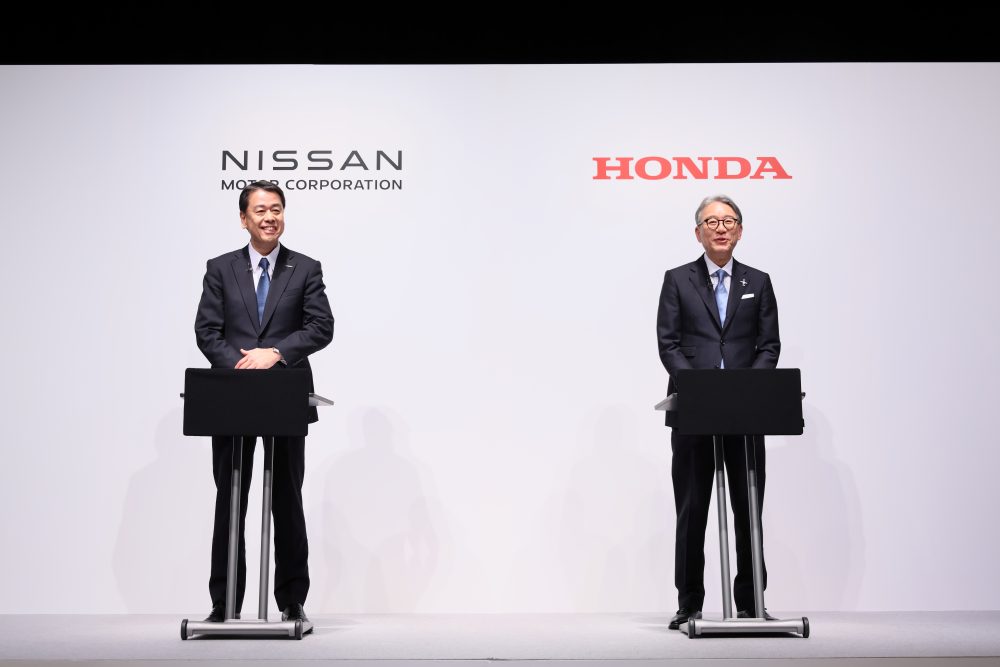
Summary: Nissan and Honda have concluded a joint development agreement to standardise the core electronic control units behind their next-generation software-defined vehicles, covering both the high-performance main ECUs built on SoCs and the zone ECU layer that oversees each area of the vehicle.
Key engineering takeaway: The scope runs beyond hardware. The two companies will establish common specifications for multiple core ECUs within the E/E architecture, plus the in-vehicle operating system, key parts of the middleware and the vehicle control software that runs on top.
Why it matters: By standardising the core ECUs, including the zone ECU layer, and the software that runs on them, Nissan and Honda aim to improve efficiency, accelerate innovation and enhance competitiveness through reduced development costs and greater economies of scale. The E/E architecture incorporating the jointly developed ECUs and software is planned for both companies’ next-generation SDVs from fiscal year 2029 onward.
Nissan Motor Co., Ltd. and Honda Motor Co., Ltd. have entered into a joint development agreement to standardize multiple electronic control units (ECUs)* that form the core of next-generation software-defined vehicles (SDVs), along with the in-vehicle operating system and key parts of the middleware, and vehicle control software that run on these ECUs.
The E/E architecture incorporating the jointly developed ECUs and software is planned for application in both companies’ next-generation SDVs from fiscal year 2029 onward.
Why Nissan And Honda Identified Software As A Collaboration Area
As part of their strategic partnership, Nissan and Honda continue to explore opportunities for collaboration across a range of areas to accelerate progress toward carbon neutrality and help realize a future with zero traffic fatalities involving their vehicles. In particular, the software domain centered on SDVs, which is key to vehicle intelligence and electrification, has been identified as an important area of collaboration, given the rapid pace of technological innovation and the need to strengthen competitiveness through improved R&D speed and investment efficiency.
Recognizing the need to strengthen competitiveness through faster development cycles and more efficient investment, the two companies have conducted extensive studies on potential collaboration in the software domain. As a result of these discussions, Nissan and Honda have agreed to jointly develop and standardize the core ECUs and software that underpin next-generation SDVs.
Common Specifications For Core ECUs And Vehicle Control Software
Under the agreement, the companies will work together to establish common specifications for multiple core ECUs within the E/E architecture of next-generation SDVs, as well the in-vehicle operating system and key parts of the middleware, and vehicle control software.
By standardizing these foundational technologies, Nissan and Honda aim to leverage their combined engineering expertise and development resources to improve efficiency, accelerate innovation, and enhance competitiveness through reduced development costs and greater economies of scale.
Going forward, Nissan and Honda will continue to build on their respective strengths, explore opportunities to create new value, and deepen collaboration to bring tangible benefits to customers and society.
*High-performance main ECUs (High Performance Computers) that use SoCs, and zone ECUs that oversee each area of the vehicle.
Zone ECU Standardisation: Frequently Asked Questions
What is a zone ECU?
A zone ECU is an electronic control unit responsible for a physical area of the vehicle rather than a single function. Nissan and Honda define the term in this release as the controllers that oversee each area of the vehicle, sitting below the high-performance main ECUs that carry the central compute.
What is the difference between a zone ECU and a high performance computer?
The high-performance main ECUs, which the companies also call High Performance Computers, are built on SoCs and carry the centralised processing. Zone ECUs sit beneath them and handle the inputs, outputs and power distribution for their part of the vehicle, which shortens wiring runs and concentrates the compute in fewer, larger units.
What exactly are Nissan and Honda standardising?
Common specifications for multiple core ECUs within the E/E architecture, together with the in-vehicle operating system, key parts of the middleware, and the vehicle control software running on those ECUs. The agreement therefore covers both the hardware and the software layers above it.
When will the standardised ECUs reach production vehicles?
The E/E architecture incorporating the jointly developed ECUs and software is planned for both companies’ next-generation SDVs from fiscal year 2029 onward.
Why are Nissan and Honda standardising ECU specifications?
Nissan and Honda cite improved R&D speed and investment efficiency, reduced development costs and greater economies of scale. Both companies identified the software domain centred on SDVs as an important area of collaboration, given the rapid pace of technological innovation.
Further Reading
- TIER IV And Renesas Build An AI-Native Computing Platform
- Stellantis STLA One Modular Vehicle Architecture Launches 2027
- Bosch And CARIAD Deliver Level 2 Driving System For Mass Market
For more SDV news, click here.
