

 By ATN Editorial Team
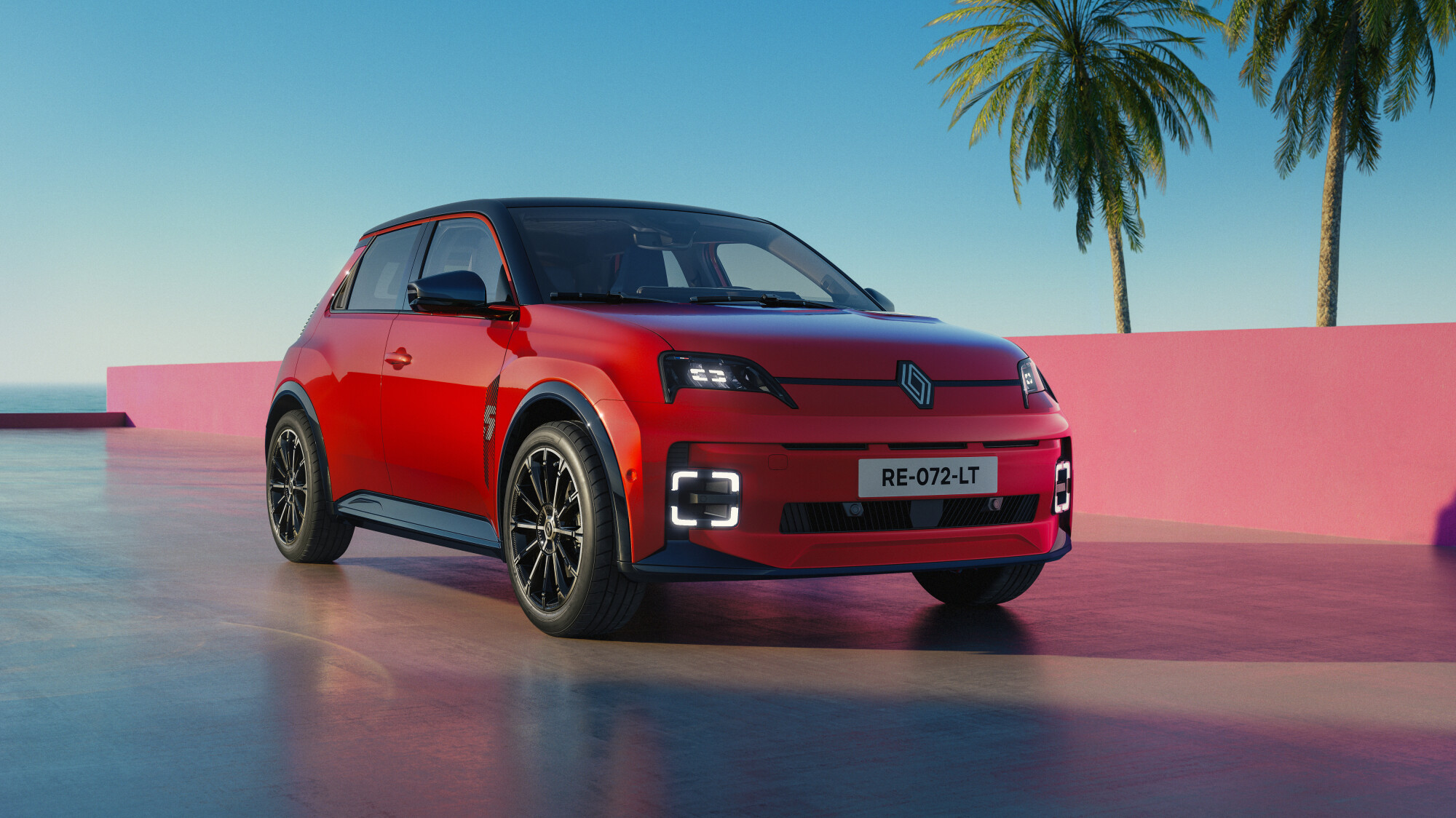
Summary: The Renault 5 E-Tech range is open for order across Europe with more WLTP range from both existing batteries and a new entry-level version built around a 36.5 kWh lithium iron phosphate battery using cell-to-pack construction.
Key engineering takeaway: Aerodynamic changes to the lower body and the rearview mirrors, combined with optimised battery electronics, lift the 40 kWh Urban Range car from 312 to 315 km WLTP and the 52 kWh Comfort Range car from 410 to 430 km. The new entry car in the Renault 5 E-Tech range pairs an 80 kW (110 hp) motor from the Twingo E-Tech electric family with the 36.5 kWh LFP cell-to-pack battery for 305 km WLTP and a 0 to 50 km/h time of 3.5 seconds, and carries an 80 kW DC charger as standard alongside the 6.6 kW AC onboard charger.
Why it matters: Renault attributes the WLTP gains, including the rise from 410 to 430 km on the 52 kWh Comfort Range car, to aerodynamic enhancements to the lower body and rearview mirrors and to optimised battery electronics. In the entry version, the 36.5 kWh LFP battery uses cell-to-pack technology designed to optimise energy density in relation to its size and weight, giving the Renault 5 E-Tech range a 305 km WLTP entry point with an 80 kW DC charger as standard so it can use fast-charging points.
- Orders are now open for the new Renault 5 E-Tech electric range in all European countries where this model is available. Among the new features being introduced, some will become available in the coming weeks.
- Both the 40 kWh Urban Range and 52 kWh Comfort Range versions gain technical and aerodynamic upgrades to achieve new WLTP ranges of up to 315 and 430 km respectively.
- Equipped with both an AC charger and a DC charger, a new version of the Five entry-level trim is making its debut, with an 80 kW / 110 hp motor and a 36,5 kWh LFP battery for a WLTP range of up to 305 km.
- Depending on the version, Renault 5 E-Tech electric will be available in new body colours, including Flame Red, a new shade of gold for the wheels, new wing and roof decals, and new upholstery color, as well as upgrades to onboard technology.
Renault 5 E-Tech electric is now even more versatile. Both battery options – the 40 kWh Urban Range and the 52 kWh Comfort Range – gain increased range through aerodynamic enhancements (lower body and new rearview mirrors) and optimised battery electronics.
The 40 kWh Urban Range battery, available with the Evolution and Techno versions and paired with a 90 kW (120 hp) motor, now achieves an WLTP range of up to 315 km, compared with 312 km previously. While the 52 kWh Comfort Range battery, available with the Evolution, Techno, Iconic Cinq and Roland-Garros versions and paired with a 110 kW (150 hp) motor, now achieves a WLTP range of up to 430 km, compared with 410 km previously .
A New Entry Version For The Renault 5 E-Tech Range
Still available in the 95 hp / 40 kWh configuration, the current entry-level Five model is set to become more powerful, more efficient and more versatile in just a few weeks. It is set to swap its current powertrain for a new, compact, lightweight 80 kW/110 hp motor, from the same family as Twingo E-Tech electric. It will be powered by a 36.5 kWh LFP (lithium iron phosphate) battery with cell-to-pack technology, designed to optimise energy density in relation to its size and weight. The result is a WLTP range of up to 305 km, with no compromise on performance since the 0–50 km/h sprint takes just 3.5 seconds, for a responsive and enjoyable driving experience.
And for even greater versatility, alongside the 6.6 kW AC onboard charger, the new Five level trim of Renault 5 E-Tech electric will ship as standard with an 80 kW DC charger, allowing it to use fast-charging points.
New Colours, Roof Options And Upholstery
In terms of colours and materials, the new Renault 5 E-Tech electric range is set to gain a new body colour – Flame Red – in a few weeks time. This new shade will be available with the Five to Iconic Cinq trim levels, alongside Metallic Schist Grey, which will be available with the Evolution to Roland-Garros trim levels.
For these two colours and all the others, new personalisation options will be available, including a Starry Black roof and Red or Warm Titanium roofline. Techno wheels are available with an optional Gold finish on the Techno and Iconic Cinq trim levels., while new Vibrant5 and Hyper5 roof and wing decals are now available in the configurator.
Finally, the upholstery for the Iconic trim is now in heathered blue instead of heathered yellow.
Wireless Charging, Smart Driving Mode And Gemini
On board, Renault 5 E-Tech electric gains new equipment, including an e-call system, which is now compatible with 4G mobile networks. At the same time, a new magnetic, cooled wireless smartphone charger based on the Qi2 standard makes its debut, delivering enhanced charging performance, with up to 50% battery capacity restored in just one hour while preventing overheating.
Like other Renault models such as New Clio, the Renault 5 E-Tech electric range now gains Smart driving mode, replacing MySense mode. It automatically switches between the different modes (Eco, Comfort and Sport) depending on driving style. For example, drivers benefit instantly from the instant response of Sport mode when overtaking but can also make savings by switching to Eco mode whenever they slow down, when driving through a village, for example. Since the Multi-Sense button is used less than before, it is no longer on the steering wheel, although manual changes remain available via the OpenR Link screen, as well as by voice command.
Renault 5 E-Tech electric also benefits from a new connectivity offering, with 2 GB of data per month included for three years, or for the duration of a leasing agreement with Mobilize Financial Services (all contracts except traditional vehicle financing). This allowance is more than sufficient to support everyday use of the most popular in-car applications throughout the month, equating, for example, to up to 40 hours of audio music streaming (at standard quality) or up to three hours of video streaming.
Lastly, Gemini, Google’s AI-powered assistant, is arriving on board through an optional over-the-air update of Google Assistant. Gemini goes far beyond a conventional voice assistant, acting as a truly conversational AI companion. Rather than having to remember specific commands, users can speak naturally, engage in fluid and interactive conversations, and accomplish more sophisticated tasks. They can also interrupt Gemini mid-sentence or seamlessly switch languages at any point during the interaction.
The new Renault 5 E-Tech electric range will be on display at the 2026 Paris Motor Show, from 12 to 18 October.
Further Reading
- EAS Ultra-High-Power LFP Cell Gains 60% Power From Acetolyte
- Stellantis STLA One Modular Vehicle Architecture Launches 2027
- Battery Immersion Cooling Explained: An Engineer’s Guide
- Valeo Launches 48V 2-Speed E-Axle For Dacia Hybrid-G 150
For more electrification news, click here.
Frequently Asked Questions
What is a cell-to-pack battery?
A cell-to-pack battery is one built without intermediate modules, so the cells are bonded directly into the pack structure. Removing the module housings and their fixings frees up volume and saves mass, which raises usable energy density for a given pack size. It is a common way to make lower energy density chemistries such as lithium iron phosphate competitive on range.
What is the WLTP range of the Renault 5 E-Tech range?
Renault quotes up to 305 km for the new 36.5 kWh entry version, up to 315 km for the 40 kWh Urban Range battery and up to 430 km for the 52 kWh Comfort Range battery, all on the WLTP combined cycle.
Why does LFP suit an entry-level electric car?
Lithium iron phosphate uses no nickel or cobalt, so cell cost is lower and supply is less exposed. It has lower energy density than nickel manganese cobalt chemistry and weaker cold-weather performance, but it tolerates repeated full charging and has a long cycle life, which suits a small urban car where absolute range is not the priority.
What changed to increase the WLTP range?
Renault attributes the gains to aerodynamic enhancements to the lower body and new rearview mirrors, together with optimised battery electronics. The 40 kWh Urban Range car rises from 312 to 315 km WLTP and the 52 kWh Comfort Range car from 410 to 430 km.
Does the entry-level Renault 5 support DC fast charging?
Yes. The new Five trim will ship as standard with an 80 kW DC charger alongside the 6.6 kW AC onboard charger, allowing it to use fast-charging points.
